Design
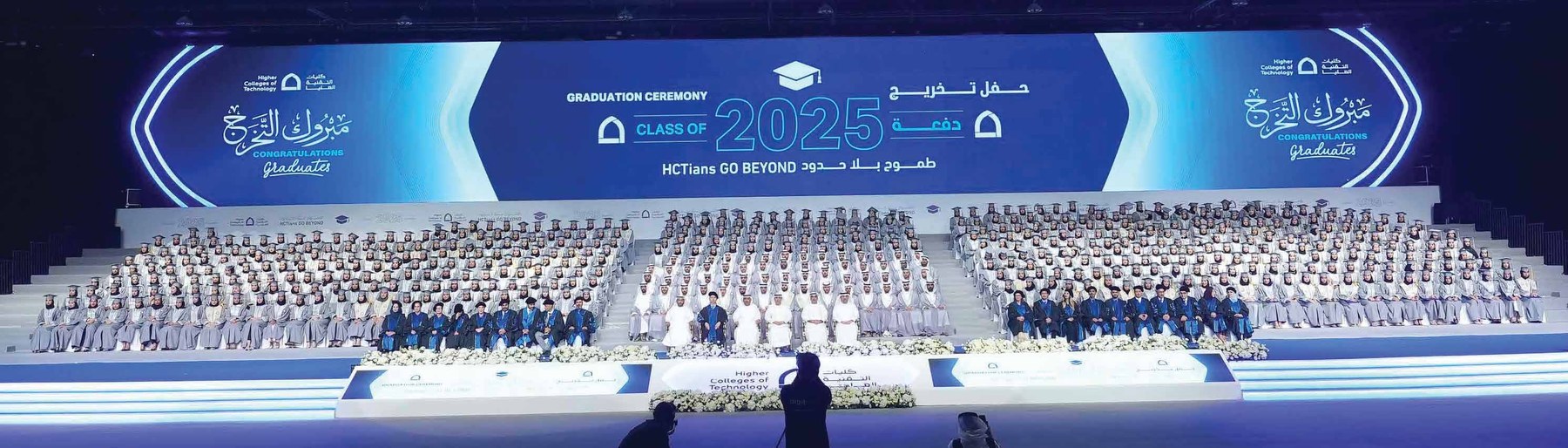
Ceremony renders and room plans that lock stage setup, seating arrangements, venue branding, LED screen backdrops, and audio-video support before fabrication commits.
Ceremonial Staging & Branding, step 1 of 4
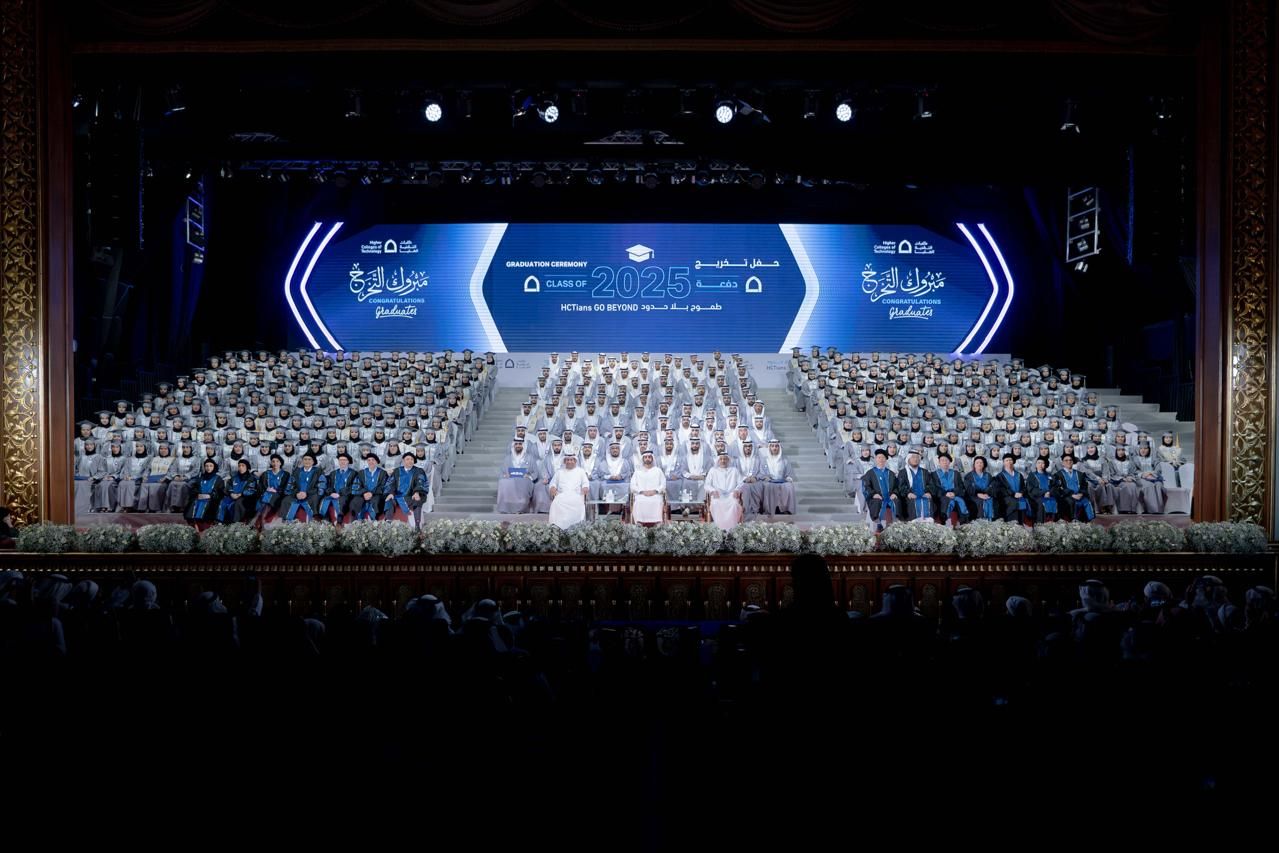
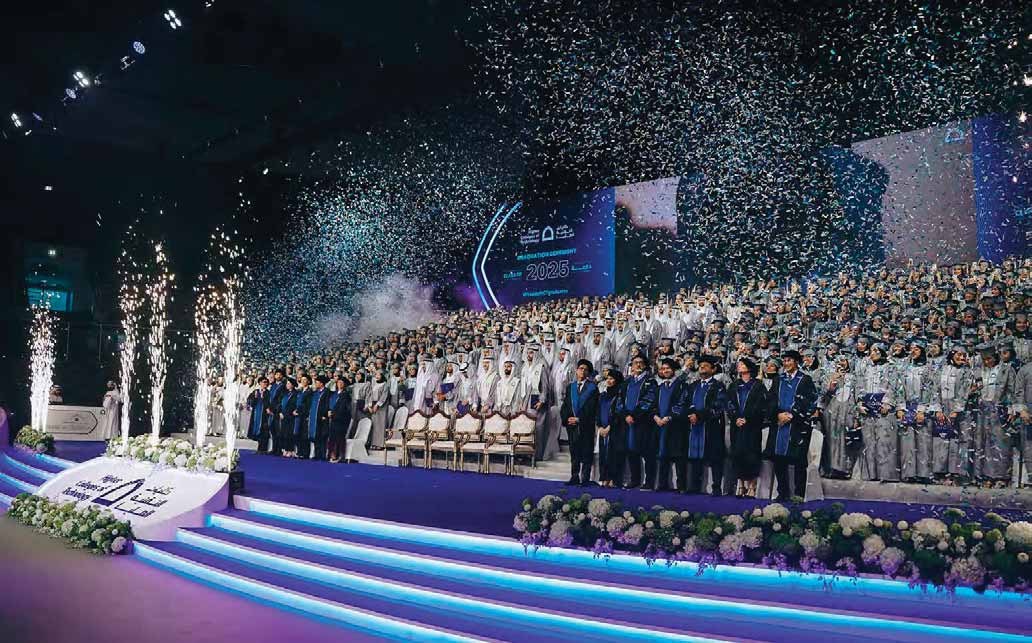

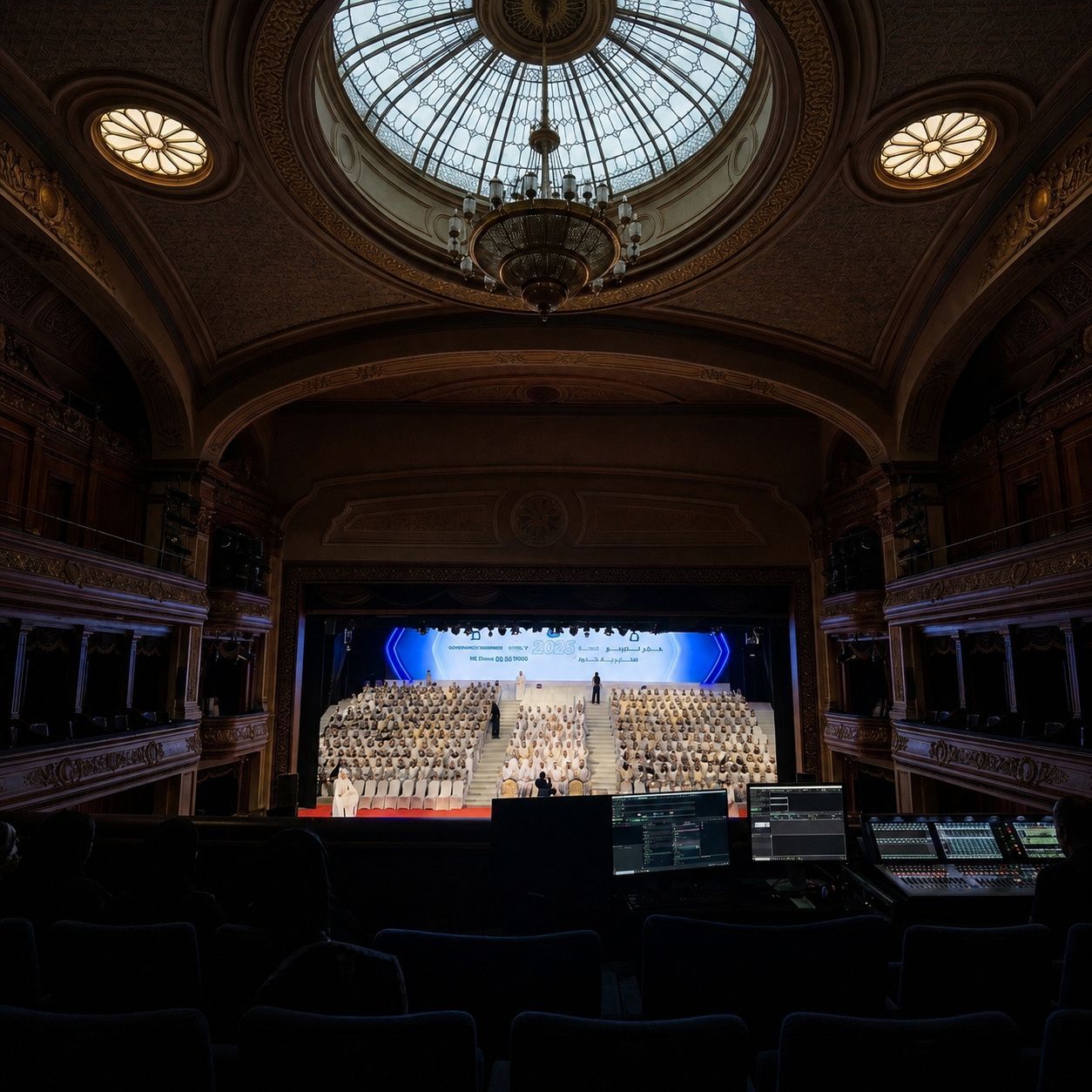
Browse the full list of campuses, stages, LED backdrops, guest flows, and operational stats.
Design, staging, LED backdrops, seating, audio-video, registration flow, and on-site support coordinated by one accountable production team.
Ceremony renders and room plans that lock stage setup, seating arrangements, venue branding, LED screen backdrops, and audio-video support before fabrication commits.
Materials, joinery, and branded builds packaged for stage setup, screen structures, and AV runs, so install crews are not improvising at the venue.
On-site stage setup, venue branding, LED screen backdrops, lighting and sound system setup, and audio-video support lined up, tuned, and checked before rehearsal and arrivals.
Student registration support, crew sequencing, seating arrangements held against the plan through guest flow, and timings when thousands move through the building.
Controlled strike after close: pack-down, asset recovery, and handover so the space returns to use on schedule.
The full ceremony production chain: design, production, installation, removal, and on-site management, including student registration support, stage setup, seating arrangements, venue branding, LED screen backdrops, lighting and sound system setup, and audio-video support.
Date, venue, audience and graduate counts, ceremony format, stage and branding intent, VIP and protocol notes, registration and seating logic, rehearsal window, and any non-negotiable timings.
Yes, when it is physically possible. HCT Fujairah is the reference: a 5 to 6 metre stage extension sourced and finished before the ceremony after a late requirement change.
Graduations are the clearest proof at scale, but the same discipline applies to launches, convocations, and other institutional ceremonies where the room has to be correct before people arrive.
Work is sequenced from fixed showtime backwards: stage, AV, and room readiness are commissioned and checked before rehearsal and doors, so leadership and families are not waiting on a visible scramble.
Sightlines, movement, holding rooms, and stage order are planned with protocol in mind. The production has to support confidence for VIPs and leadership, not fight the ceremony script.
One production path ties screens, audio, lighting, and branded surfaces to the same cue plan. Fewer disconnected teams means fewer gaps at the moment there is no second take.
Registration data, seating plans, and stage movement are treated as one flow problem, not three suppliers guessing at each other while guests arrive.
Stage, backdrop, and lighting choices are judged on how they read in a crowded room and on camera. Cheap-looking production shows in every graduate photo.
EGS carries the physical ceremony production scope under one roof so coordination is not split across generic suppliers who treat graduation like a template gig.
Yes. Repeat seasons benefit from documented room reads, asset libraries, and post-event notes. Less re-explaining, more refinement.
Rehearsal windows are built into the plan. When cues or order shift, the crew path is updated once and pushed through stage, AV, and registration touchpoints so the floor stays coherent.
Removal is part of scope: controlled pack-down, asset recovery, and handover so the venue returns to use on schedule without loose ends in the room.
Send the date, venue, guest numbers, and stage requirements. EGS will return a structured staging and cue plan.